Opening paragraph:
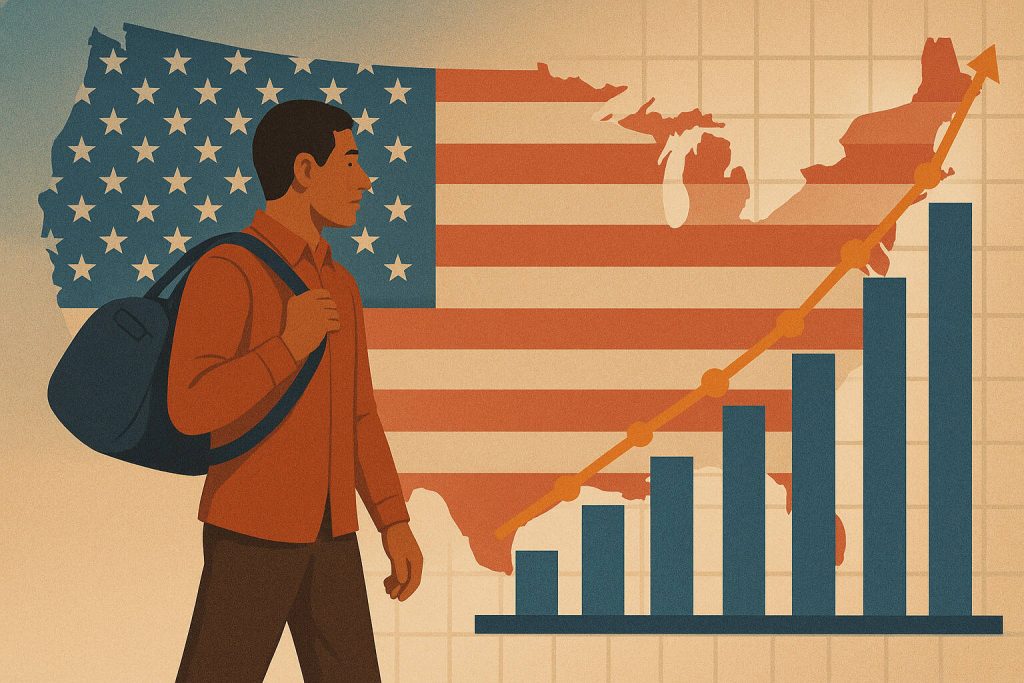
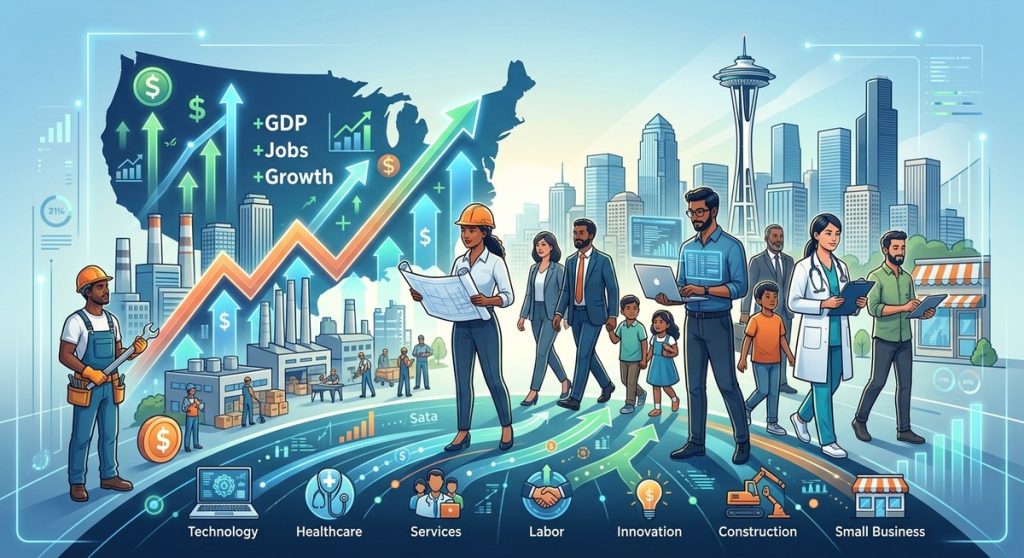
Immigration is more than a political flashpoint. It is a central component of the U.S. economy that shapes how fast we grow, how we compete, and how our communities evolve. At factcheckwa.org we take a data driven approach to public affairs and the economy. This article digs into how immigration affects labor markets, productivity, growth, and the finances of households and government. We will separate myths from facts and show how policy choices can tilt outcomes for workers, businesses, and taxpayers alike.
What we mean by immigration and the economy
Immigration refers to people who come to the United States to work, study, reunite with families, or seek safety. The economy is the broad system of production, consumption, investment, and policy that determines how resources are allocated and how fast output grows. When these two systems interact, several channels emerge:
- Labor supply and wages: More workers can fill shortages in key sectors, potentially influencing wages and unemployment rates.
- Productivity and innovation: Immigrants bring skills, entrepreneurship, and new ideas that can raise total factor productivity.
- Demand and fiscal effects: Immigrant households spend money and pay taxes, while some rely on public services, which affects budgets at local, state, and federal levels.
- Demographics and dependency: The age structure of the population shapes savings, investment, and the sustainability of social programs.
Understanding the economy requires looking at both short term shifts in employment and longer term effects on growth and public finances. The data can illuminate patterns across skill levels, industries, and regions, helping voters evaluate policy choices more clearly.
The big picture: why immigration matters for growth
- Growth engine: Immigration expands the labor force, which can support higher output and potential GDP when paired with capital investment.
- Innovation lifeblood: Immigrants are disproportionately represented in sectors tied to science, technology, engineering, and entrepreneurship, fueling new products and processes.
- Consumer demand: Immigrant households contribute to the economy through consumption, which supports jobs and business investment.
- Regional balance: Population inflows help counter aging demographics in many regions, influencing housing, infrastructure, and local economies.
How immigrants contribute to the labor force and productivity
- Skill mix and complementarity: Immigrants complement native workers by filling roles that may be in shortage and by bringing diverse experiences that spur problem solving.
- Entrepreneurship: A significant share of immigrant communities start businesses, contributing to job creation and innovation ecosystems.
- Sectoral distribution: Immigrant workers are more concentrated in specific industries such as healthcare, agriculture, construction, and certain service sectors, where labor gaps exist.
- Education and training: The impact depends on the alignment of skills with market demand and the availability of pathways to acquire new competencies.
Immigrants and the labor market
Jobs and wages: what the data show
- Labor force participation: Immigrant participation has risen over time and now comprises a substantial portion of the labor force. Immigrants fill jobs in both high skill and lower skill segments.
- Wages and productivity: In many estimates, immigrants have a modest effect on average wages for native workers, with larger impacts in specific sectors or skill groups. The net effect on the overall economy tends to be positive through productivity gains and expanded output.
- Unemployment trends: When the economy expands, immigrant workers experience improving job opportunities; during downturns, labor market dynamics become more complex, but immigrants often retain roles in essential services that support recovery.
Industry patterns: where immigrants are concentrated
- Health care and social assistance: A large share of immigrant workers contribute in patient care, home health, and related services.
- Technology and engineering: Immigrants contribute to software, hardware, research, and development activities, helping accelerate innovation.
- Agriculture and food service: Seasonal and year round roles in farming, processing, and hospitality rely on immigrant labor.
- Construction and manufacturing: Skilled trades and assembly work benefit from immigrant labor pools.
Entrepreneurship and innovation: startups and patents
- Startup ecosystems: Immigrant founders contribute to a share of new businesses, often bringing unique ideas and cross border networks that help scale operations.
- Patents and research: Higher than average representation in STEM fields translates to patents, research collaborations, and technology transfer that can lift productivity.
Fiscal and demographic effects
Demographics and the aging population
- Population aging is a structural challenge for the United States. Immigration helps moderate the aging curve by increasing the share of working age people, which supports Social Security and Medicare funding through payroll taxes.
- Dependency ratios: A more youthful immigrant cohort can lower the burden on public finances by spreading costs across a broader tax base.
Fiscal impact: taxes, public services, and social programs
- Tax contributions: Immigrants pay property, income, and sales taxes, contributing to the funding of public services.
- Public services usage: Some immigrant households rely on education, healthcare, and other services. The net fiscal impact depends on age, education, earnings, and the structure of public programs.
- Net present value: Studies that assess lifetime fiscal contributions show that high skilled immigrants often provide positive net fiscal returns, while the picture for lower skilled migrants depends on policy design and program costs.
- Policy design matters: Visa rules, pathways to citizenship, and access to work authorization significantly shape the fiscal balance. Provisions that improve integration and formal employment can increase positive fiscal contributions over time.
The long run: potential GDP and debt dynamics
- Potential GDP: Sustained immigration can raise potential GDP by expanding the talent pool, boosting investment in innovation, and enhancing human capital.
- Debt and deficits: In demographically older economies, immigration can help stabilize public debt levels by broadening the tax base and reducing relative dependence on fewer workers.
- Investment in human capital: A key driver of long run gains is ensuring that immigrant workers have access to education and training so they can move into high productivity jobs.
Policy and politics: how policy shapes outcomes
Immigration policy levers that move the economy
- Visa design and flow: The mix of high skilled and low skilled visa programs, along with sponsorship and family reunification policies, shapes the skill composition of the workforce.
- Pathways to citizenship: Clear and timely pathways can improve labor market attachment and long term fiscal contributions.
- Employment verification and labor protections: Effective policy frameworks reduce labor market exploitation and increase productivity by ensuring workers are legally employed in safe, compliant settings.
- Regional quotas and geographic balancing: Policies that address regional labor gaps help align immigration with local economic needs.
- Education and training: Investment in language access, credential recognition, and retraining programs unlock the potential of immigrant workers and their families.
Economic scenarios under different policy paths
- Expansionary immigration: Faster visa issuance, broader eligibility, and easier pathway to citizenship could raise potential GDP growth, increase innovation, and broaden the tax base, with manageable short run fiscal costs if accompanied by smart integration policies.
- Status quo pathways: Maintaining existing programs yields moderate gains in productivity and workforce growth, with fiscal outcomes that depend on demographic trends and regional needs.
- Restrictive immigration: Tighter restrictions can slow labor supply in sectors with shortages, dampen innovation velocity, and alter regional growth patterns, potentially increasing wage pressures in affected industries.
Regional and sectoral impacts
Metro areas and rural communities
- Metropolitan hubs: Larger cities with diverse economies tend to benefit from immigrant labor in healthcare, technology, and service industries, reinforcing regional growth and vitality.
- Suburban and exurban areas: Immigrant households can contribute to demand in housing markets and consumer services, influencing local tax revenues and school enrollment patterns.
- Rural areas: Where labor shortages exist in agriculture and certain trades, immigration can help stabilize local economies and preserve critical industries.
Key sectors and regional contrasts
- Technology corridors: Areas with strong research institutions and high tech industries often see high benefits from skilled immigrant workers.
- Healthcare-intensive regions: Cities and states with aging populations may rely more heavily on immigrant workers to sustain care delivery.
- Agriculture and tourism belts: Regions dependent on seasonal labor can experience significant productivity improvements and cost reductions through immigrant workers.
Addressing common concerns with evidence
Do immigrants take native born jobs?
- The best available evidence shows that immigrants primarily fill gaps and complement native workers. In many cases immigrants enter roles that natives do not want or cannot fill at scale, which helps avoid offsetting job losses.
- In the long run, immigration tends to expand the economy, creating more employment opportunities for natives through increased demand and higher productivity.
Are immigrants a drain on public finances?
- The fiscal story is nuanced. Young, high earning immigrants often contribute positive net fiscal returns through taxes and longer tenure in the workforce.
- Public service usage varies by age, family size, education, and integration. Policymakers can tilt the balance toward positive outcomes with programs that support language acquisition, credential recognition, and job training.
How policy can maximize benefits while reducing costs
- Invest in credential recognition: Streamline how foreign credentials are evaluated to reduce underemployment and increase productivity.
- Support language and training: Provide accessible language courses and targeted retraining aligned with labor market needs.
- Align policy with regional needs: Tailor immigration policy to address labor shortages in specific industries and communities.
- Ensure fair labor standards: Strong enforcement of labor laws protects workers and supports productivity.
- Build pathways to citizenship: Clear routes reduce uncertainty and encourage long term investment in the economy.
What this means for Washington voters
Practical takeaways for voters and policy makers
- Growth requires talent, and talent comes from both domestic education and immigration. Sound policy should recognize the role of immigrants in expanding the productive capacity of the economy.
- Fiscal responsibility is compatible with immigration when policies are designed to maximize integration and employment, not merely allow entry.
- Regional variations matter. What helps a tech hub may not be the same in an agricultural belt. Local policy experiments and metrics can guide national reforms.
- Public communication should be evidence driven. When discussing immigration, voters benefit from data on labor markets, productivity, and public finance rather than fear based narratives.
How to evaluate claims about immigration and the economy
- Look for evidence on net job effects and wage trends by occupation and skill level.
- Consider the long term impact on productivity and innovation, not just short term displacement.
- Examine the fiscal analysis with attention to demographic factors such as age and education of immigrant populations.
- Compare policy scenarios to understand how visa rules, citizenship pathways, and training programs influence outcomes.
- Assess regional data to understand how different communities experience immigration in local economies.
Conclusion: a data grounded view of immigration and the economy
Immigration is a powerful economic force that interacts with labor markets, innovation, and public finances in complex ways. The evidence suggests that immigrants generally strengthen economic growth by expanding the labor force, contributing to productivity gains, and broadening consumer demand. The magnitude of benefits depends on policy choices, particularly how we welcome skilled workers, recognize credentials, and provide pathways to employment and citizenship.
For Washington voters seeking nonpartisan, fact based clarity, the story remains nuanced. Immigration does not exist in a vacuum; it intersects with education systems, housing markets, regional needs, and fiscal policy. When we design policies that connect immigration to opportunity—through effective integration, fair labor standards, and thoughtful visa design—we are more likely to realize net benefits for workers, families, and the broader economy.
This article aimed to lay out the key channels, summarize the main empirical findings, and offer practical considerations for voters and policymakers. The path forward is not about open borders or closed doors alone; it is about smart, achievable policy choices that maximize productivity, expand opportunity, and sustain fiscal health for generations to come. If you want more data driven analysis on immigration and other public policy issues, stay with factcheckwa.org, where our mission is to empower Washington voters with credible, accessible information.